28 Nov 2004

Salar de Uyuni - Salt Desert (Bolivia)

This is, quite literally, another world.. The ground is made of SALT. I arrived by train..


Just kidding! This train is sitting there maybe before I was born eh eh. As usual, I got there on a bus, to the edge of the desert. You can then take a jeep tour with some locals, a very decent bargain for 3 days of surreal landscape. So what is this? As in other salt flats, there was once a lake here. I don't know the geological details, but the lake evaporated leaving the salt behind. It does rain here - and so every year this becomes a very salty, shallow lake for a short season. Interesting enough, they do have some houses made of salt. I passed in the dry period, when is possible to drive around. The salt area is some 12,000km2, the largest in the World.


First we came to the "island" above: inhabited by these intrepid cactuses, alone in the middle of the salt..
The scenery is certainly impressive. This time I wished my modest camera was better, so I could do justice what I saw. This is volcano land here. To give you some context, we are above 4000m already! Thus the snow on that hill top. And yes it gets very cold in the night!

The flamingos make a good living here, too. No predators, stable weather. An interesting animal, they feed by filtering the water in these smaller lakes, which contains small organisms, apparently enough for the flamingo. Some other living things, I could not yet quite figure out if those "balls" were a cactus or a lichen or..

Also very alive, the "boiling" mud holes, I guess the waiting lobby for Hell could look like that :-) It smelled really foul, there's some gas released from the entrails of Earth (thus the bubbles)


And that's me holding on to the Dali rock! Yes, he apparently was here and these kind of rocks inspired him to some of his famous paintings.

26 Nov 2004

Altiplano 2: Sucre, Potosi (The Andes, Bolivia)

Sucre is a city with a very evident colonial heritage.. In many ways like Arequipa, the "white city" of Peru.. One thing that really caught my attention were those things on the electrical wires, which I assume are round nests of some crazy bird :-)


Still, the contrasts between the Ancient and the "New" are evident in many ways... as for example this countryside woman (I think she would be Andean native, but could be of Amerindian ancestry) sitting by an old skool ice cream cart, and in the colonial esplanade overlooking the city.


Speaking of natives, in Potosi I visited a colonial processing plant, in the early days they 'used' natives but eventually changed to horses as the natives got tired too quickly, that's all I learned from the tour.. What humanity


On a lighter note, the view from a central square in Potosi, one of the highest cities in the world..

Reaching for the Sky, no less...

19 Nov 2004

Altiplano 1 (The Andes, Bolivia)

Quite literally breathtaking, it is a bit of a world of its own up here, close to 4000m altitude. Entering from Peru near Titicaca, this is what you see, the frontier town at Desaguadero...


It is better than it looks: I was feeling very sick, and these people were very kind to me. They gave me tea from coca leaves, actually I felt better and made it to La Paz. From there I went to Oruro, mining town:


That first image of the concrete slider always stays with me, don't know why. I never saw something like that. Down at the mine, I met "El Tio". He's the patron of the miners, so to speak, the Daemon of that mine. Drop some candies or any goodies to earn some favour and protection.

Moving on, here is the Altiplano in all its might and beauty


(Sorry its a bit tilted, I was on the bus...)

On a totally different angle, politics and (the misery of) the people are always close to each other.. The mural on the left says: "With Plan Condor they call us Communists; with Plan Dignity they call us Narcotraffiquers; and after 9/11 we are called Terrorists". This presidential candidate accuses the US of meddling too much in Bolivian affairs, and indeed he would be right..


Arriving in Cochabamba, more typical scenes such as those people sleeping on the street or the very colourful market - in another market (in Potosi) you can see the coca leaves sold like grain or tea... So did the bombings of coca plantations change anything in the traditions of these people? I guess not.

And a question for thinking: If people from a country want to use cocaine made from coca leaves, even if their country has outlawed it, and that creates a social problem, isn't that a problem of that particular state and people? Certainly Bolivians could do more to avoid selling coca to abroad, or to crack down on cocaine production inland, but to pay with the sovereignty of their state, have their coca peasants bombed by foreign order, isn't that too much? Sadly, this is a recurrent story between Latin America countries and the United States.

3 Nov 2004

Staying at Tutusima (Boca Manu, Peru)

This is the modest house of my friend Tutusima - only the left half. He is a "colono", coloniser of mixed ethnicity (indian and something else - quechua, european, etc.), which seem to be the majority in the jungle. There are also indians, we passed by a village just next to Boca, they live in much more basic conditions - and perhaps closer to true nature..
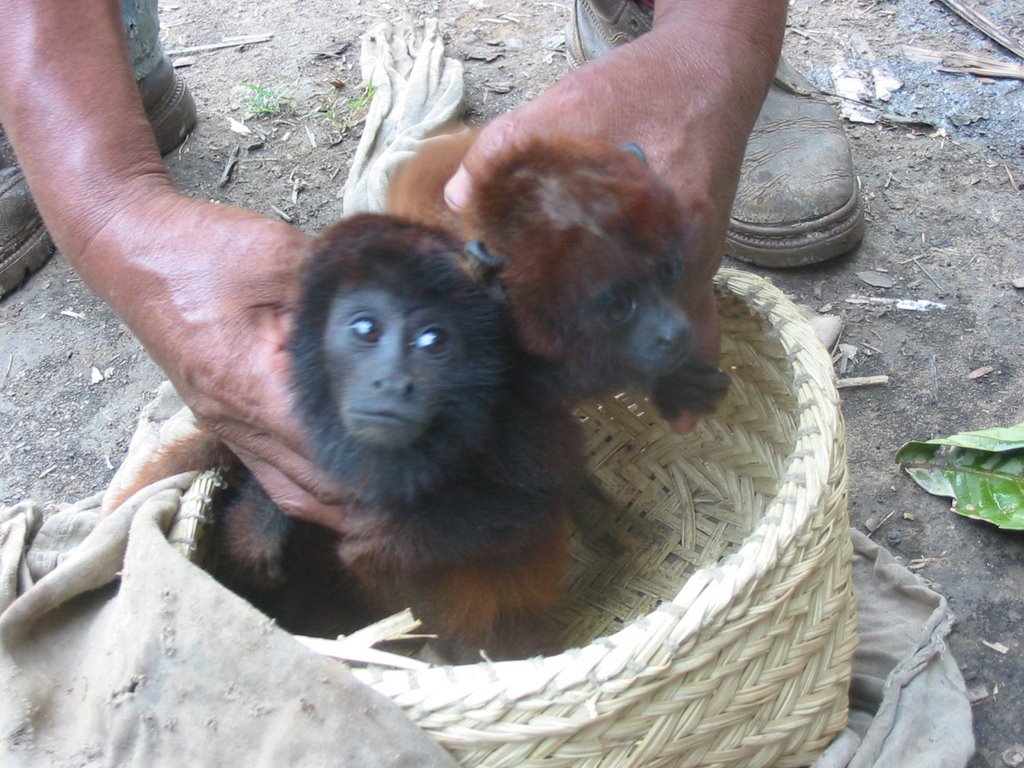
The small photo on the left is a spider eating a big fat cockroach, frequent "guests" at his place. On the right, a friend of him had found/captured two little monkeys, he was going to raise and sell them. I held one of them, so cute and warm, but he pissed on my hand - and I got a rash!

2 Nov 2004

Mother Tree (close to Boca Manu, Peru)


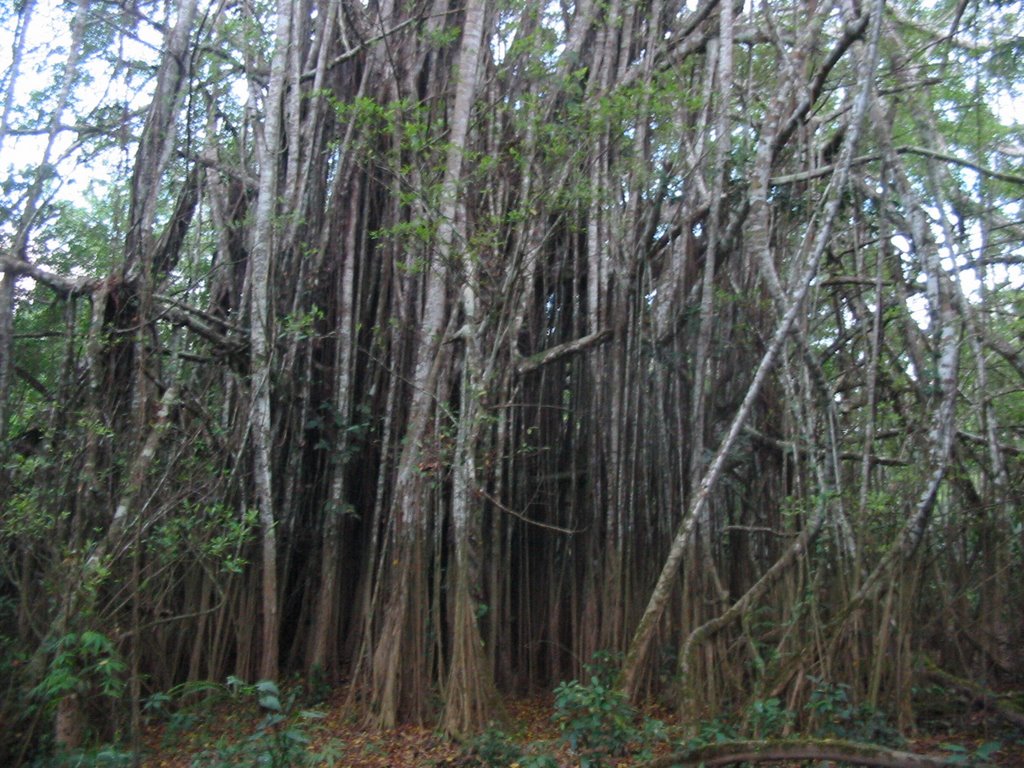
This tree is seen in great regard by the locals... Yeah, it's only ONE tree! According to my books, something of a fig tree, it started by growing around a large trunk tree, competed for space and nutrients, the other eventually withered and died, and now this one stands, in great presence.

29 Oct 2004

Boat ride into the Jungle (Madre de Dios, Peru)


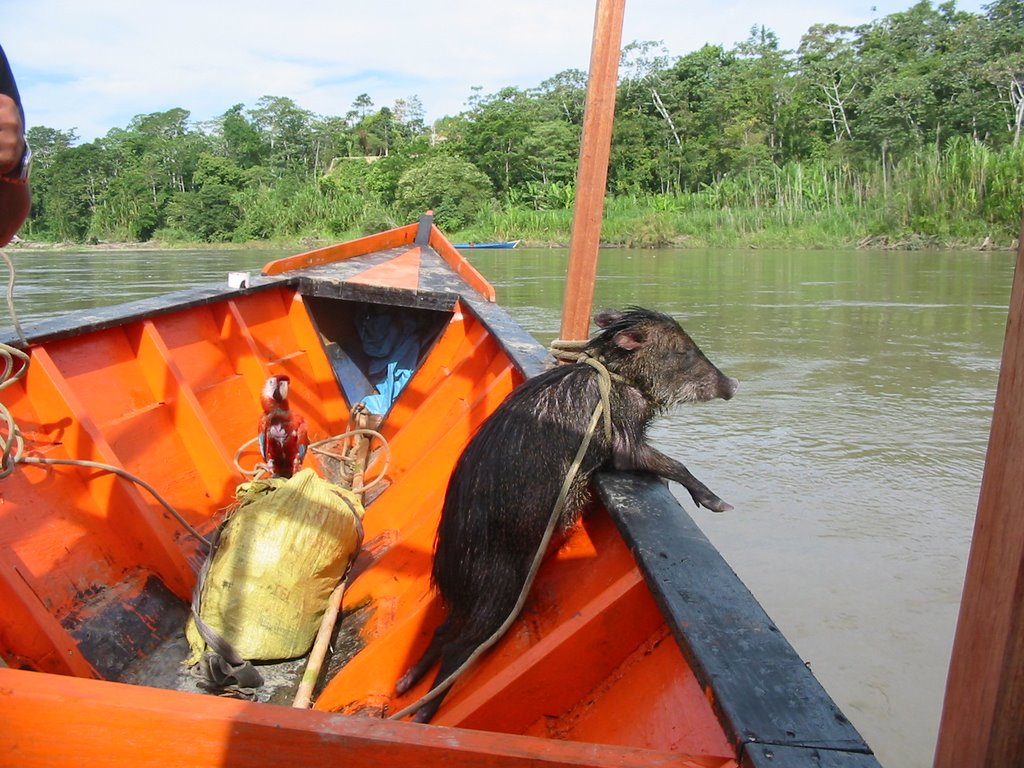
These two poor creatures were captured by one of my boatmates as we went deeper into the jungle, to the village of Boca Manu. I guess he has his own view of ecology.. "if you can, grab it!"

6 Oct 2004

Inca Arquitecture (Machu Picchu, Peru)


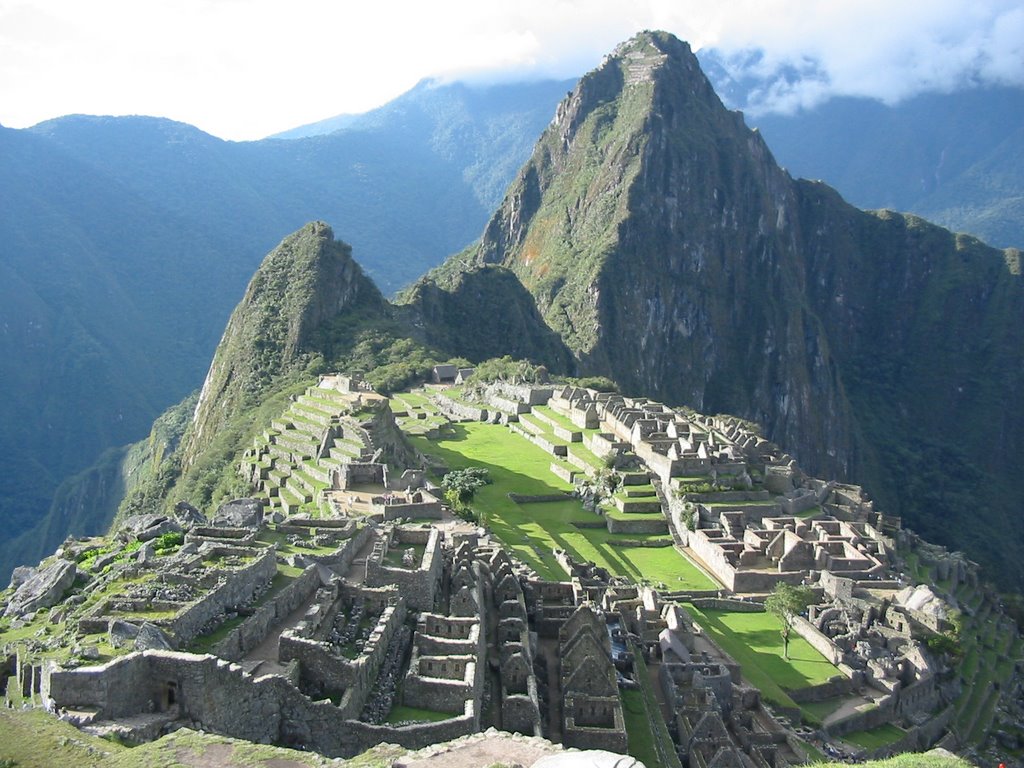
Looks really cool, these walls. A pity that only a few remains are left. This is in Machu Picchu.

Machu Picchu, a pleasant tourist trap (Peru)

Most people know this one, a typical image about mystical Machu Picchu. With two C's, yes. I personally was not enthralled. It takes a lot of effort and money to get there: either take the expensive, foreign-owned train, or reserve an entrance to the Inca trail 2 weeks in advance. Plus pay the fees and wade through the crowds of tourists. All you find is ruins with little archeological meaning, at least when compared to Maya or Aztec cities, for example. Now, the scenery, that's something exceptional. Walking around the ruins and contemplating the deep slopes, the rivers down at the valleys, the peaks touching the clouds, yes!

5 Oct 2004

Killa Raimi, the Moon Festival (Cusco, Peru)


One of my favorite moments from Latin America, almost a magical performance. I saw the ad in a low-key poster in some wall in Cusco, and went to check it out, on the outskirts of town. It turned out to be a great show, a reanactment of the Moon Festival of the Inca, by youngsters from basic and high-school. It lasted for more than two hours, with all kinds of dresses, rituals, dances, performances (even flame throwing) and speeches in Quechua. The kids are not professional, but I could see they prepared a lot for the show. The fact that they are "into" it, makes the whole difference, for me at least. Not a tourist event - there were less than 10 foreigners in the whole crowd. People were looking at me quite a lot, and for some time I was even afraid to take pictures.

Deformed Heads (Cusco, Peru)


Skulls... Deformed skulls, can you notice? This was an ancient pratice among the Inca, and was reserved to people with some status. Possibly has a way to distinguish them. The shapes were achieved by pressing the head with wooden plates and similar techniques, from an early age - when the skull is more flexible. These dudes should look pretty weird, alive and dressed up, he he!

2 Oct 2004

Lake Titicaca Islands People (Peru)


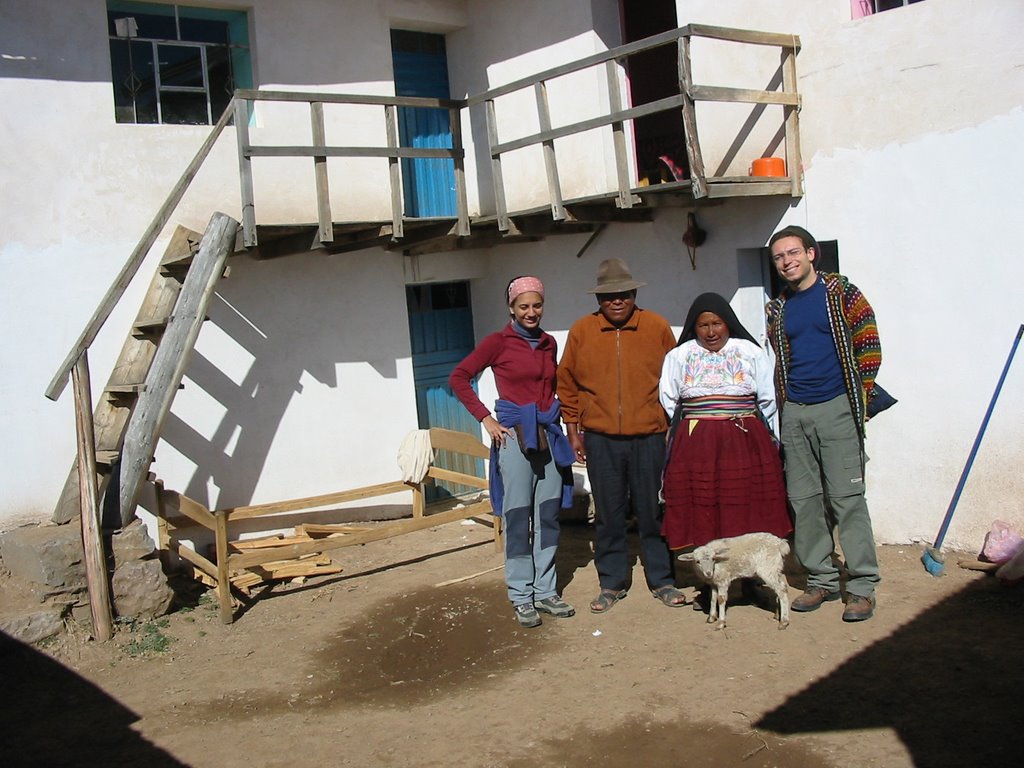
Now on solid land islands, me and Sabrina slept at these folks' place. They live a simple life in a simple, and beautiful, place. Notice the animal :-)

20 Sept 2004

Lake Titicaca and the Floating Totora Islands


That's right, all this village is floating on the water, the ground made up of totora canes. They have to keep replacing them, as the "ground" continuously degrades and disappears.

20 Aug 2004

Quito, Ecuador


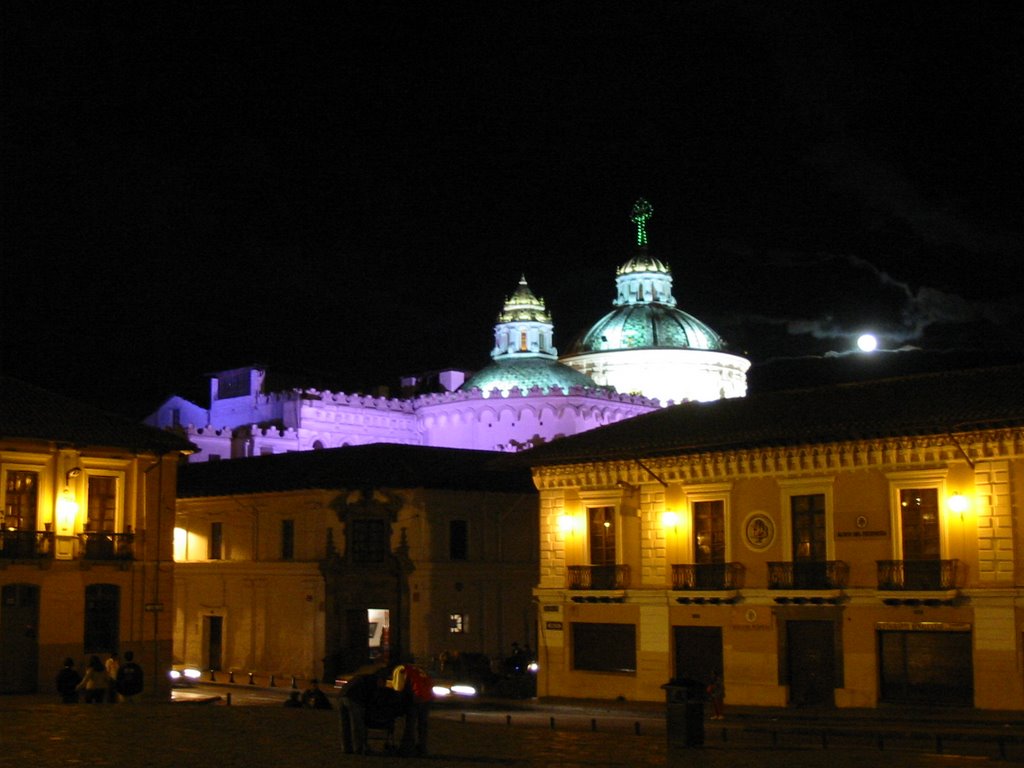
Ahh, Quito, Ecuador... up in the clouds (3800m), can be quite charming.

But also dangerous, lively, filthy, stressing, and surely breathtaking!

1 Jun 2003

Ilha do Sal - "Salt Island" (Cabo Verde)

No, it's not made of salt..But the volcanic sand at the beach is quite impressive! 


One of the locals offered to show me around a bit


The salt mines inside the island are also worth the visit